
Livestock Zoning: Keeping Animals on Your Land
Whether you can keep horses, cattle, goats, or chickens depends on the zoning of the parcel, its size, and sometimes the HOA or CC&Rs of the neighborhood around it. In the Treasure Valley, Ada County and Canyon County each set their own minimums and setbacks for animals, and the rules are public and checkable, which is exactly what a buyer should do before committing.
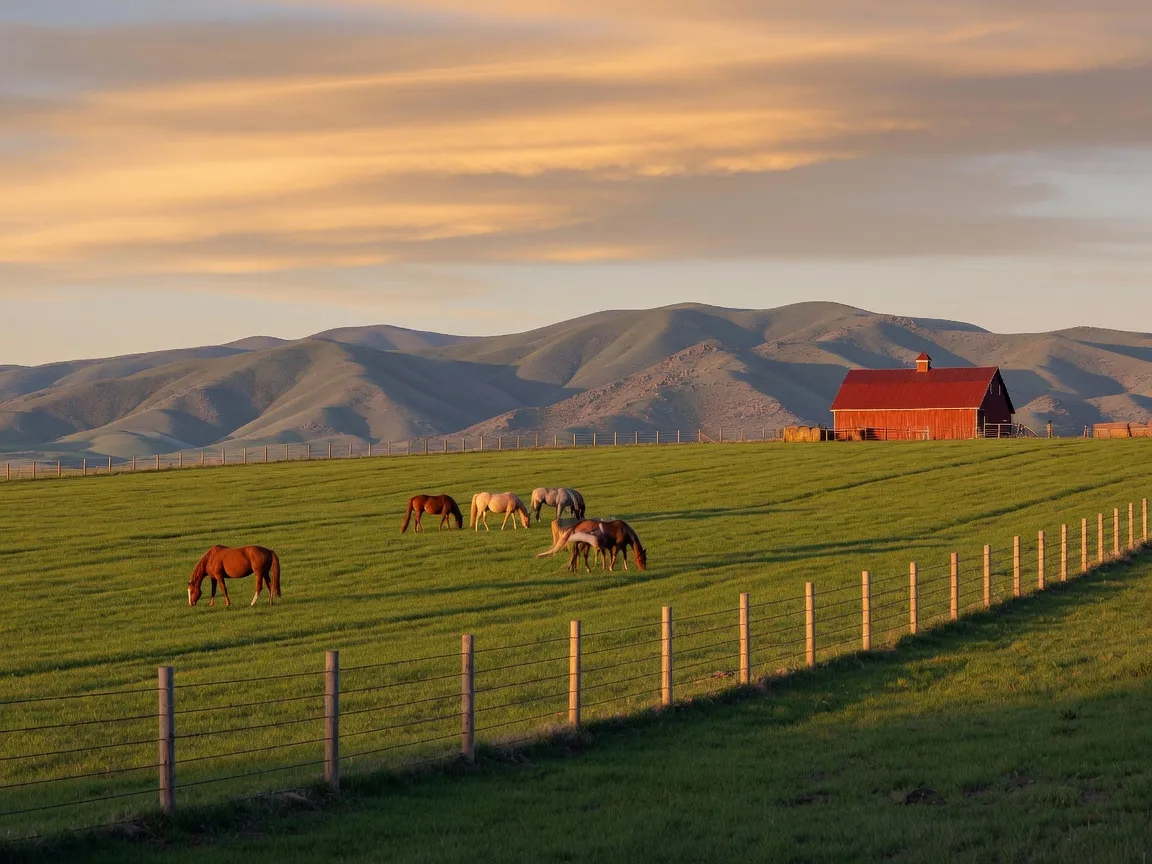
Zoning is the first gate
Counties establish livestock rules through zoning: minimum lot sizes, setbacks from neighbors and roads, and standards for pasture, fencing, and manure management. Agricultural zones allow the most, rural residential zones allow animals on qualifying parcels, and true suburban zones often allow none. Your agent should confirm the parcel's zone and its animal rules in writing, not from a neighbor's word.
HOA rules come second
An HOA or set of CC&Rs can ban animals the county would happily allow, and on newer large-lot acreage in places like Meridian or Star, that is common. If livestock matters to you, request the HOA documents before you offer and read the animal provisions yourself.
Land and infrastructure
Even where zoning allows animals, the land has to support them: pasture with irrigation, secure fencing, shelter, and water that works in August. A 2-acre parcel can keep a horse or two with good management; larger herds need real acreage, and that math should be part of your plan, not an afterthought.
Keep reading
The Treasure Valley Acreage Homes Team
Two acreage agents at MORE Realty, serving Boise, Pocatello, Twin Falls, and Coeur d'Alene, Idaho. Questions about acreage? Call us, we answer our own phone.