
Well Water and Septic Basics for Acreage Buyers
Most Treasure Valley acreage outside city limits runs on a private well and septic system, and understanding how they work is the biggest education gap for first-time acreage buyers. In Ada County, well permits come from the Idaho Department of Water Resources and septic permits from Central District Health; in Canyon and Owyhee counties, Southwest District Health oversees septic systems, and every rural parcel has its own water and wastewater story.
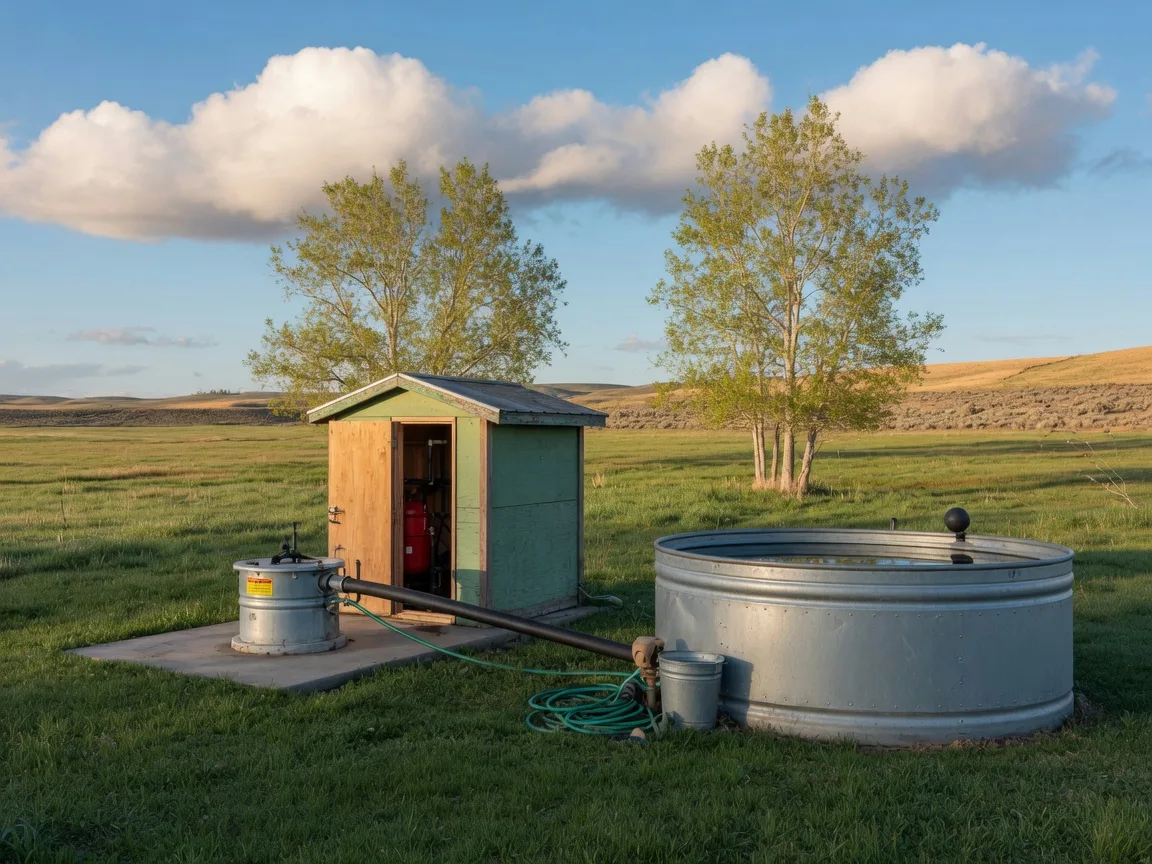
How the well works
A domestic well is drilled to the aquifer, fitted with a pump and pressure tank, and permitted by the state. Buyers should ask for the well log, run a flow test, and have the water tested for coliform bacteria and nitrates. A well that keeps up with a household's summer watering needs, and a pump in good shape, are quietly worth tens of thousands of dollars.
How the septic works
The septic system handles all household wastewater through a tank and a drain field in the yard. Idaho DEQ sets the statewide standards, and the local health district issues permits and inspects installations. Planners recommend pumping the tank every 3 to 5 years, more often for homes on wells, and never driving or building over the drain field.
What new systems cost
Budgeting is honest about numbers: a new drilled well plus septic can run roughly $18,000 to $45,000 combined in rural Idaho, depending on depth, soil, and pump. That is why inspection matters more on acreage than any other home type. On an existing property, run every faucet at once, flush everything, look for smells and standing water over the drain field, and pull the maintenance records.
Keep reading
The Treasure Valley Acreage Homes Team
Two acreage agents at MORE Realty, serving Boise, Pocatello, Twin Falls, and Coeur d'Alene, Idaho. Questions about acreage? Call us, we answer our own phone.